Cesarean, mortality and the three A's
In ancient times, being born through an incision was seen as something special.
People thought that babies born this way were meant to become gods, heroes, or great leaders.
The medical historian Daniela Heter Pfner found many old stories about these “mystical” births, like the Persian hero Rostam, the Indian god Indra, or the Greek god Asclepius.
Even Buddha was said to be born from his mother’s side.
And what about Julius Caesar?
There’s a famous myth saying he was born by C-section. The idea lasted for centuries, and many old images show it. But in reality, for a long time, C-sections were a last resort, and almost no mother survived. Infection and blood loss were extremely common.
Today, C-sections are safe and very common. Their history shows how much surgery has improved.
This progress is thanks to the 3 A’s:
- Anatomy (understanding the body)
- Antisepsis (preventing infections)
- Anesthesia (removing pain and giving surgeons more time)

Anatomy: A History of the Sscience of the body
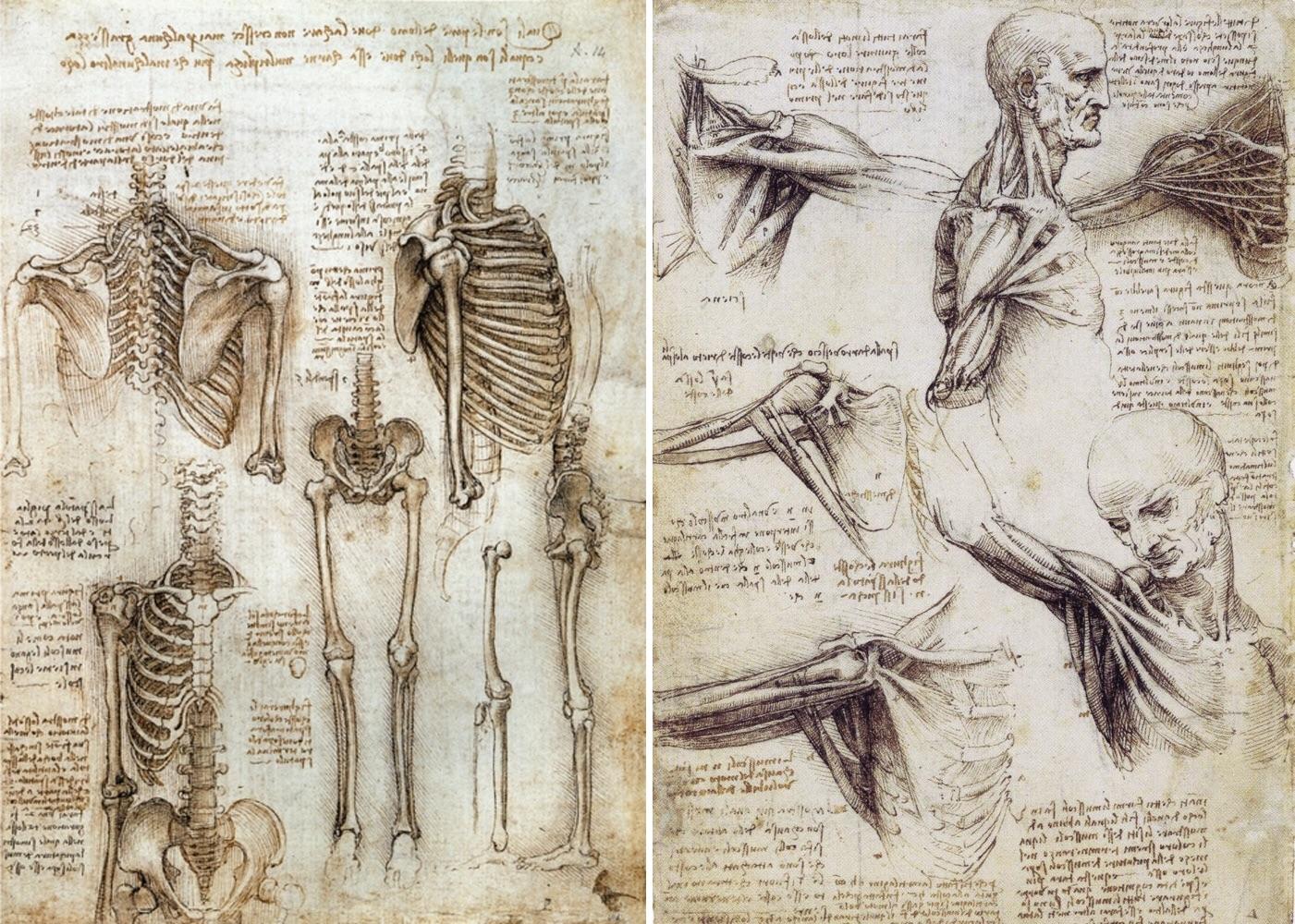
Around the 3rd century BCE, the Greek doctors Herophilus and Erasistratus were the first to dissect human bodies in Alexandria. For a short period, the city became an important center for dissections. Egyptian culture had fewer taboos about the dead body, which allowed these practices.
But this progress didn’t last long. According to historian Véronique Boudon-Millot, there were three main problems:
there was no refrigeration, the heat made dissections unbearable, the lighting was poor, and the tools were not precise enough. Naturally, interest in anatomy slowly faded.
Later, Christians became very cautious toward dissection. For them, the human body was a divine creation and should not be “cut open.” Even if the Bible did not forbid it, many religious leaders considered dissection disrespectful. As a result, for a long time, most anatomical knowledge came from one man: Galen of Pergamon. But he had never dissected a human body. He studied animals instead, which led him to make several mistakes for example, believing that the female uterus had several cavities or that the uterus could move inside the body.
From the end of Antiquity to the Middle Ages, anatomy barely progressed. In Europe, dissections were viewed with suspicion. But in the Arab-Persian world, scholars such as Avicenna and Rhazes continued studying ancient medical texts. Avicenna’s Canon of Medicine became one of the most important medical books and influenced Europe for centuries.
It was only during the Renaissance that modern anatomy was born. Andreas Vesalius, a Flemish anatomist, dissected human bodies himself and proved that many ancient ideas were wrong. His experimental approach made him the father of modern anatomy. People were fascinated by dissections, which Vesalius often performed in public like a real spectacle.
At the time, medicine had a strong hierarchy. At the top were theorists who studied old texts. Below them were the practical workers,barber-surgeons, who cut hair, pulled teeth, treated wounds, and used very simple tools. Surgery was mainly physical work, and in many cases, speed mattered more than precision. Some military surgeons, like Dominique Jean Larrey, could perform amputations in under 90 seconds.
Around 1500, an artisan named Jacob Nufer performed the first recorded successful C-section on his own wife. She and the baby survived, mainly because he sutured the uterus,something unusual at the time.
But even with progress in anatomy, another major problem remained: infections. People still didn’t understand germs, bacteria, or hygiene. And this leads to the second A of surgical history: Antisepsis.
Antiseptis: Discovering germs
In 1811...
In 1811, a law in Vienna meant to be progressive ended up making things much worse. It required that every patient who died in the hospital be sent to the city’s pathological institute for dissection.
The problem was that doctors and medical students went straight from the dissection room to the maternity ward without washing their hands. They unknowingly carried infected, decaying material and transmitted it to women who had just given birth, causing puerperal fever. The number of deaths kept rising.
Only one person understood what was happening: Ignaz Semmelweis, a Hungarian doctor working in the first obstetrics clinic of Vienna General Hospital. To show the situation, hospital records from the time reveal a shocking difference in mortality rates between the two maternity clinics.
👉 The first clinic, run by doctors and students, had far more deaths than the second clinic, run only by midwives.
Women quickly heard about this difference, and those who had the choice preferred the second clinic, where fewer examinations were performed.
Semmelweis then proposed a simple solution: doctors and students should disinfect their hands with a solution of calcium hypochlorite before examining pregnant women.
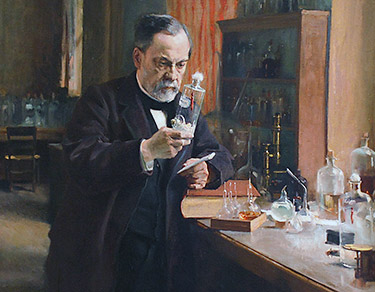
But his colleagues refused. They thought it was a waste of time, and they disliked how the solution made their hands rough. No one believed his theory. Semmelweis fell into a deep depression and tragically died of septicemia the very infection he had spent his life trying to prevent. Ironically, the same year he died, Louis Pasteur proved the germ theory, showing that Semmelweis had been right all along. Later, in 1867, Joseph Lister applied these discoveries by disinfecting operating rooms, surgical tools, and patient wounds with phenol.
The development of antisepsis revolutionized surgery and saved countless lives.